
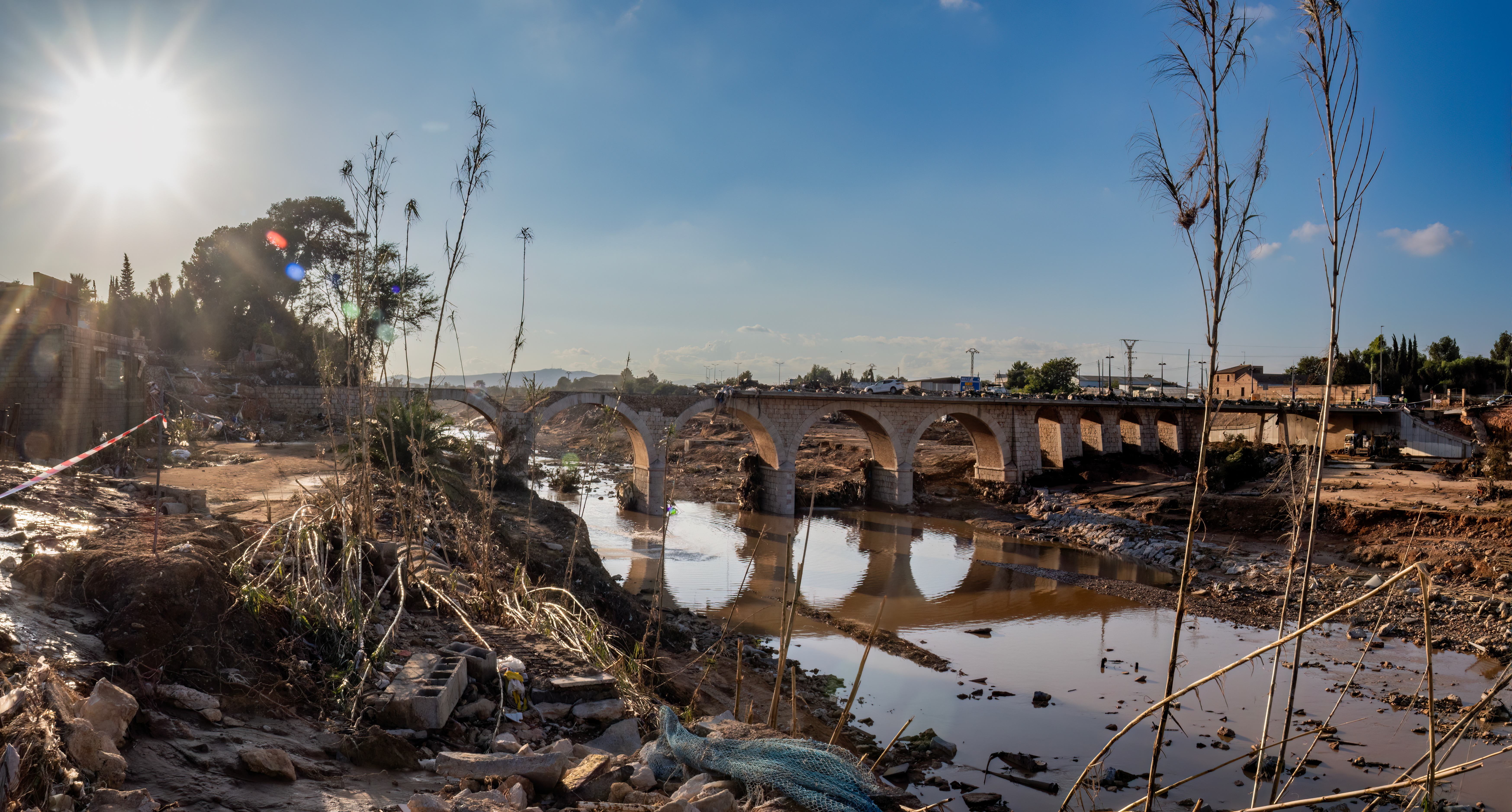
Aftermath of the 2024 flood in Valencia, Spain
Article
Flood Recovery Beyond Benelux+: Lessons from Valencia and Hauts-de-France
Across Europe, regions are facing increasingly severe and complex flood events that test the limits of preparedness, response, and long-term resilience. Within the Benelux and Germany region, the JCAR ATRACE programme works to support authorities in strengthening their ability to anticipate and manage these extremes. Yet meaningful progress also depends on learning from the experiences of other territories that have been hit hard by recent floods. With this in mind, this article turns to Valencia in Spain and Hauts-de-France in northern France, two regions that have weathered major flood crises in recent years. Their experiences offer valuable insights into how different territories organise recovery, support communities, and translate lessons into more robust strategies for the future.
Valencia
On 29 October 2024, a ‘Depresión Aislada en Niveles Altos’ (DANA) weather system created extreme rainfall, rapidly overwhelming river channels, transport systems and urban infrastructure. The Rambla del Poyo basin was hit hardest, with parts of the catchment receiving more than 700 mm rainfall within a day. Industrial areas, agricultural land and residential districts were severely affected, while cascading impacts spread to ecosystem health and groundwater quality.
6–770 mm rainfall
variation across the
Rambla del Poyo basin
89 municipalities
affected
144,000 vehicles
damaged or destroyed
€
11-17 billion
Capital losses
in public and private assets
Two experts played central roles in steering the region through the crisis. Roger Llanes Ribas, Director of the Office for Reconstruction and Special Commissioner for Repair, coordinated the strategic response across the most affected municipalities. Teodoro Estrela Monreal, government official at the regional water authority (Confederación Hidrográfica del Jucar) and former Spanish water director, oversaw the restoration of critical water services.
For Llanes, the first major challenge was understanding the full scale of the disaster and recovery needs. Some damages were immediate and obvious; others became visible only after days or weeks. Maintaining continuous communication with municipalities, residents and sectoral organisations was essential to identify all emerging needs. Funding was another major obstacle, as inflation and material shortages made procurement slower and more costly. Coordinating financial support across sectors—from businesses to farmers—required a system that was both efficient and transparent.
Roger Llanes Ribas
Director of the Office for Reconstruction and Special Commissioner for Repair of Damage Caused by the DANA
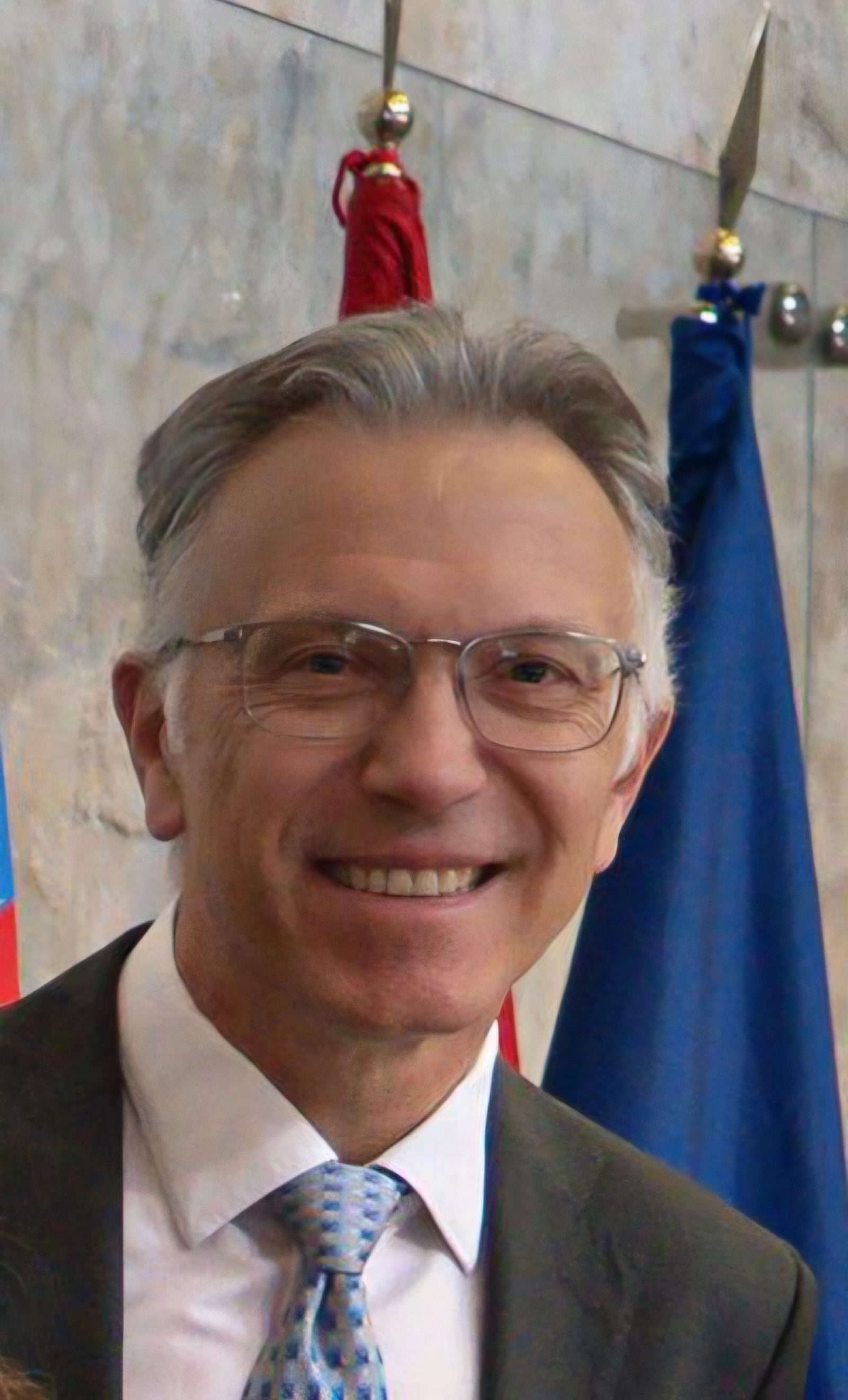
Roger Llanes Ribas is an Agronomic Engineer with over 30 years of experience in rural infrastructure, irrigation, and agricultural policy. He currently directs the Office for Coordination and Promotion of Aid Implementation for the Special Commissioner for DANA Recovery. Previously, he served as Regional Secretary for Agriculture and Director General for Agriculture, Livestock, and Fisheries in Valencia. He also led SEIASA as CEO and Technical Director, overseeing major public investment programs in rural development and water management.
Institutional coordination was equally important. With multiple levels of government acting at once, clear leadership and structured cooperation were critical to avoiding duplication and ensuring that short term relief and long term planning progressed together. Meanwhile, Estrela and his teams faced immediate pressure to restore essential services. Water supply was re established within days, and sanitation systems within about a month. In some areas, temporary solutions were needed to prevent untreated discharges into waterways while permanent solutions were prepared. A particularly urgent challenge arose when aqueducts supplying the city of Valencia were damaged, putting the water supply for hundreds of thousands of residents at serious risk. Through coordinated emergency action, the system was stabilised within three days.
As emergency work stabilised the situation, attention shifted to longer-term planning. Estrela emphasises that a thorough analysis of the event was necessary, using new data generated during and after the floods to update the existing Flood Risk Management Plan. Collaboration with Spain’s national technical and scientific institutions, including CSIC (the national research council) and CEDEX (the state’s hydraulic and technical laboratory), ensured that recovery decisions had a strong scientific foundation, which is key in the disaster management process.
Both interviewees stress the importance of building more resilient systems. Llanes highlights the need for advance planning, stable funding, clear continuous recovery coordination and more efficient procurement procedures. Estrela points to the value of strong and efficient inter administrative coordination and comprehensive participatory resilience planning. They also underline that while some infrastructures—such as roads and telecommunications—can be restored quickly, more complex works such as bridges and flood defences require time, specialised studies and careful communication with communities. Together, their experiences illustrate a recovery effort shaped by urgency, collaboration and a long term commitment to reducing future vulnerability.

Recovery is never just about repairing what was damaged. It demands clear leadership, coordinated institutions and funding that arrives quickly so people and communities can rebuild their lives with confidence.
Roger Llanes Ribas
Director of the Office for Reconstruction and
Special Commissioner for Repair of Damage
Caused by the DANA

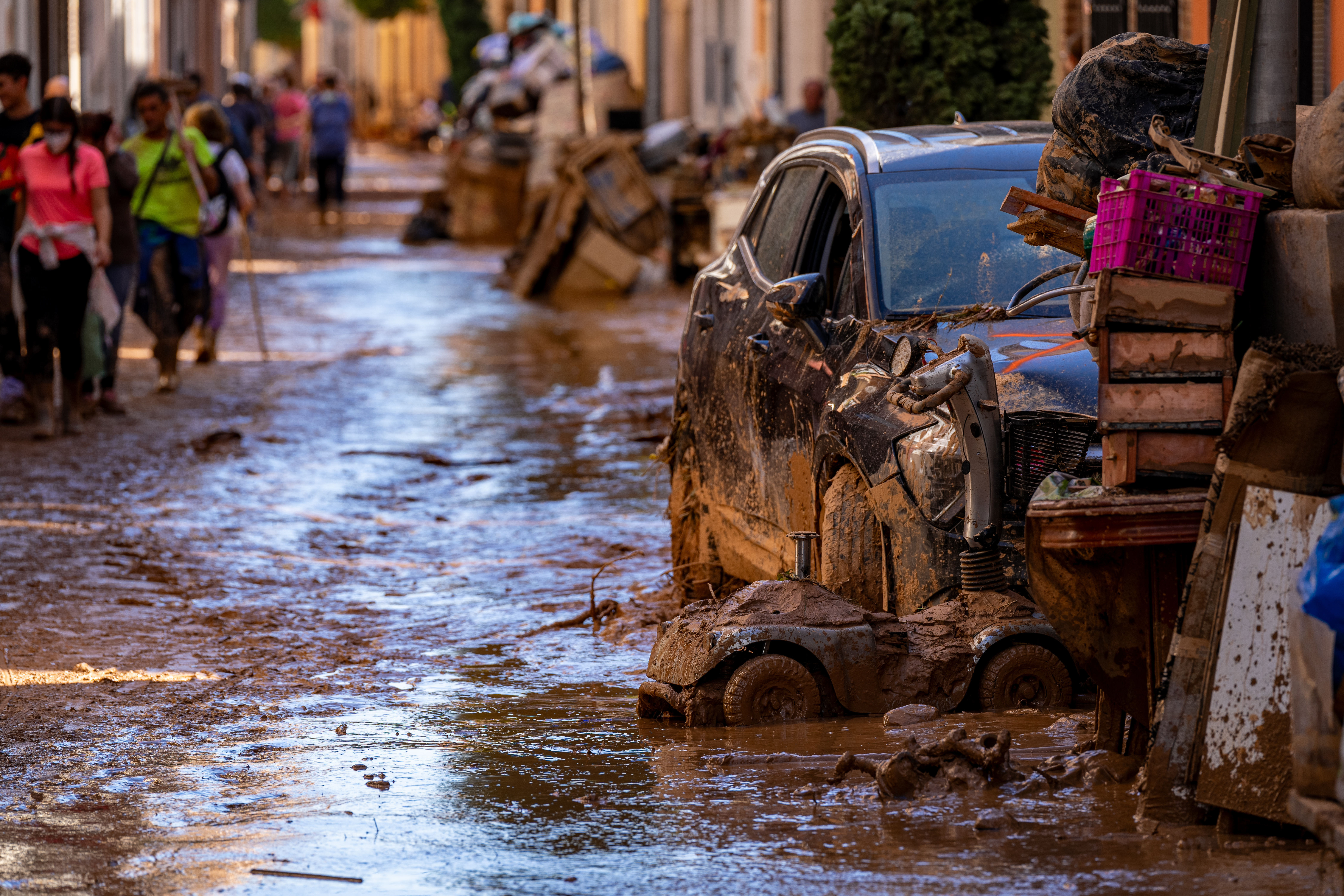
Aftermath of the 2024 flood in Alfafar, Valencia, Spain
Teodoro Estrela Monreal
Júcar River Basin Organization
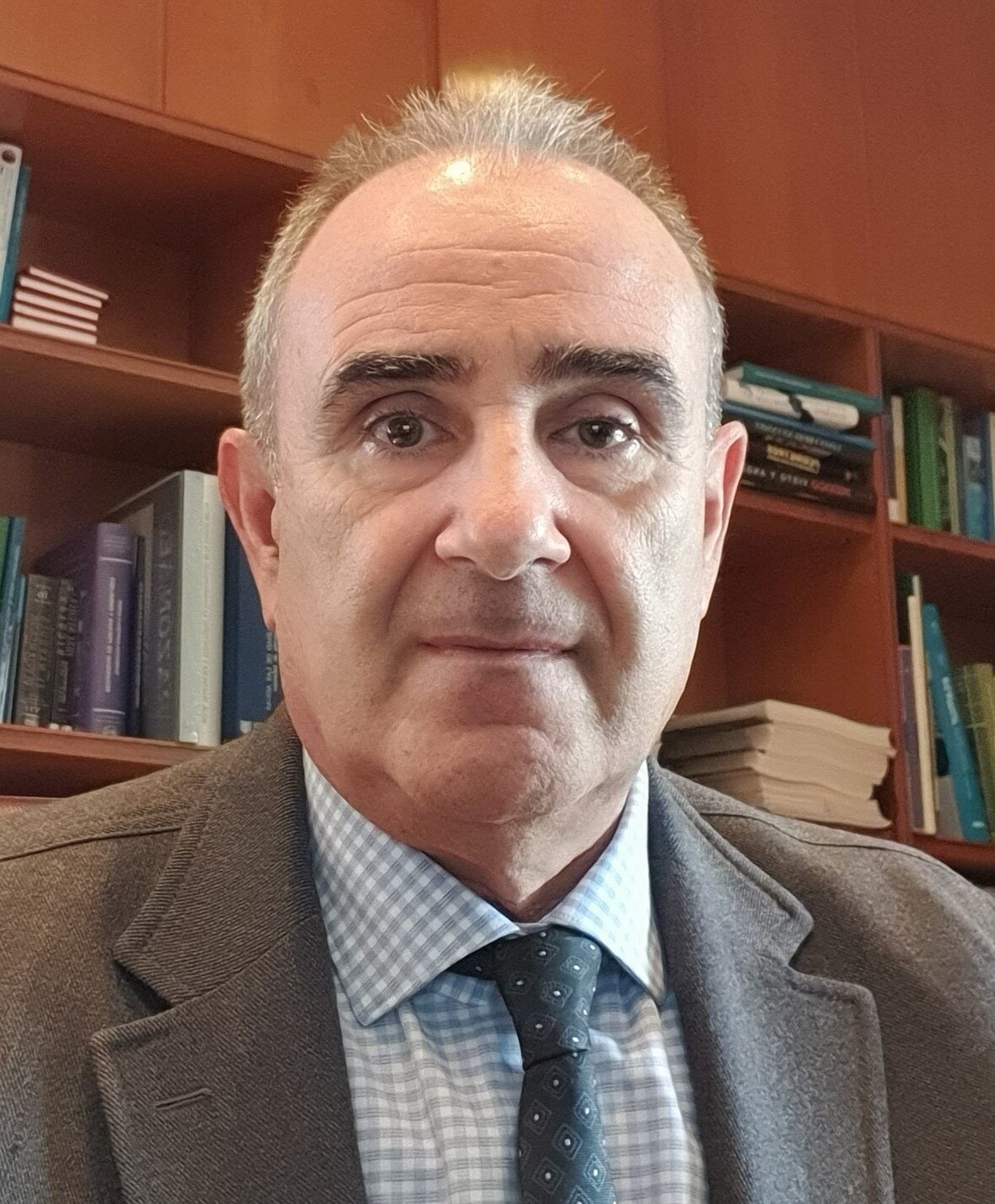
Teodoro Estrela holds a PhD in Civil Engineering from the Universitat Politècnica de València. He has served as Director General of Water for Spain and currently works at the Júcar River Basin Organization, where he was previously Deputy Director and Head of the Hydrological Planning Office. He has chaired the Water Committee of the World Council of Civil Engineers and led the International Network of Basin Organizations in Europe. He is also a Professor at the Universitat Politècnica de València.
Sound recovery depends on strong scientific and technical institutions. Updating our flood risk models with the support of CSIC and CEDEX was essential to make informed decisions after the 2024 floods.
Teodoro Estrela Monreal
Júcar River Basin Organization
Hauts-de-France
Between October 2023 and January 2024, Hauts-de-France faced a succession of intense storms that caused widespread flooding across the Aa, Hem, Liane and Canche catchments. These events produced extensive impacts, with the Pas de Calais department representing more than sixty percent of total regional damage. The affected territories include the Wateringues plain, the largest polder system in France, where water management is an especially delicate balance between natural processes and human infrastructure.
To understand how recovery unfolded, we spoke with Elisabeth Frot, Director of EPTB SYMSAGEB (Joint Association for Water Management and Planning of the Boulonnais), the organisation responsible for watershed management, aquatic environments and flood prevention. One of the most significant challenges she identifies is the moment when a territory must shift from crisis response to recovery. Different groups, whether residents, local officials, technicians or institutional partners, do not make this transition at the same pace. Bringing everyone into alignment requires careful communication and shared understanding.
313 communities
recognised in a state of natural disaster, including 145 affected twice in November and January
€
640 million
in total estimated damage (CCR, March 2024)
42,100
insurance claims
submitted across the region
Around 1,000 companies
affected, including 400 directly flooded
816 people rehoused
across 336 requests
The geography of the Boulonnais watershed adds further complexity. Upstream, steep slopes create strong runoff and mud flows, as seen during the 2023 and 2024 events. Downstream, especially within the polder and the more urbanised zones, drainage to the sea becomes slow and difficult. Each part of the watershed reacts differently to rainfall, which means that technical responses cannot be uniform. This diversity makes it difficult to design a single recovery strategy that fits all local conditions. Operational constraints also shaped the recovery. SYMSAGEB is a small team responsible for a large and diverse territory, which makes it challenging to conduct diagnostics and maintain field presence everywhere. Local relays and partnerships are essential, but prioritisation remains a constant task. Urgent issues must be addressed quickly, yet recovery also requires more integrated and longer-term solutions that go beyond immediate repairs.
Another key challenge relates to public understanding of responsibilities under the national GEMAPI framework for water management. Many residents, and even some elected officials, have limited knowledge of who is responsible for what. River maintenance, runoff management and flood defence involve several actors, including riparian owners. Misunderstandings can lead to misplaced expectations and blame. SYMSAGEB often has to explain what falls within its mandate and what does not, as well as the limits of certain actions such as dredging or rapid drainage, which can sometimes worsen flood behaviour rather than improve it.

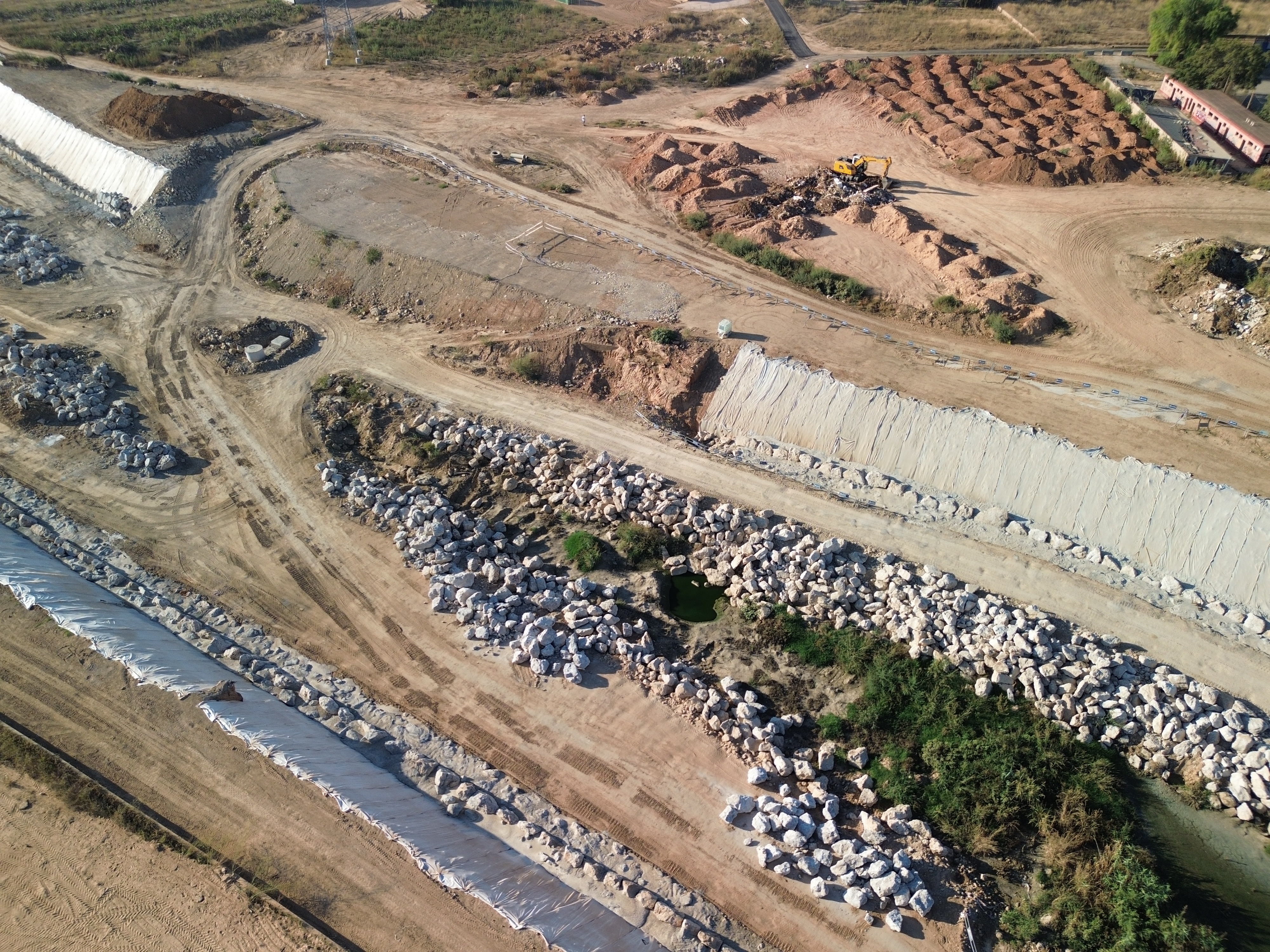
Drone view of the reconstruction of Rambla del Poyo in Valencia, one year after the floods.
Elisabeth Frot
Director of EPTB SYMSAGEB
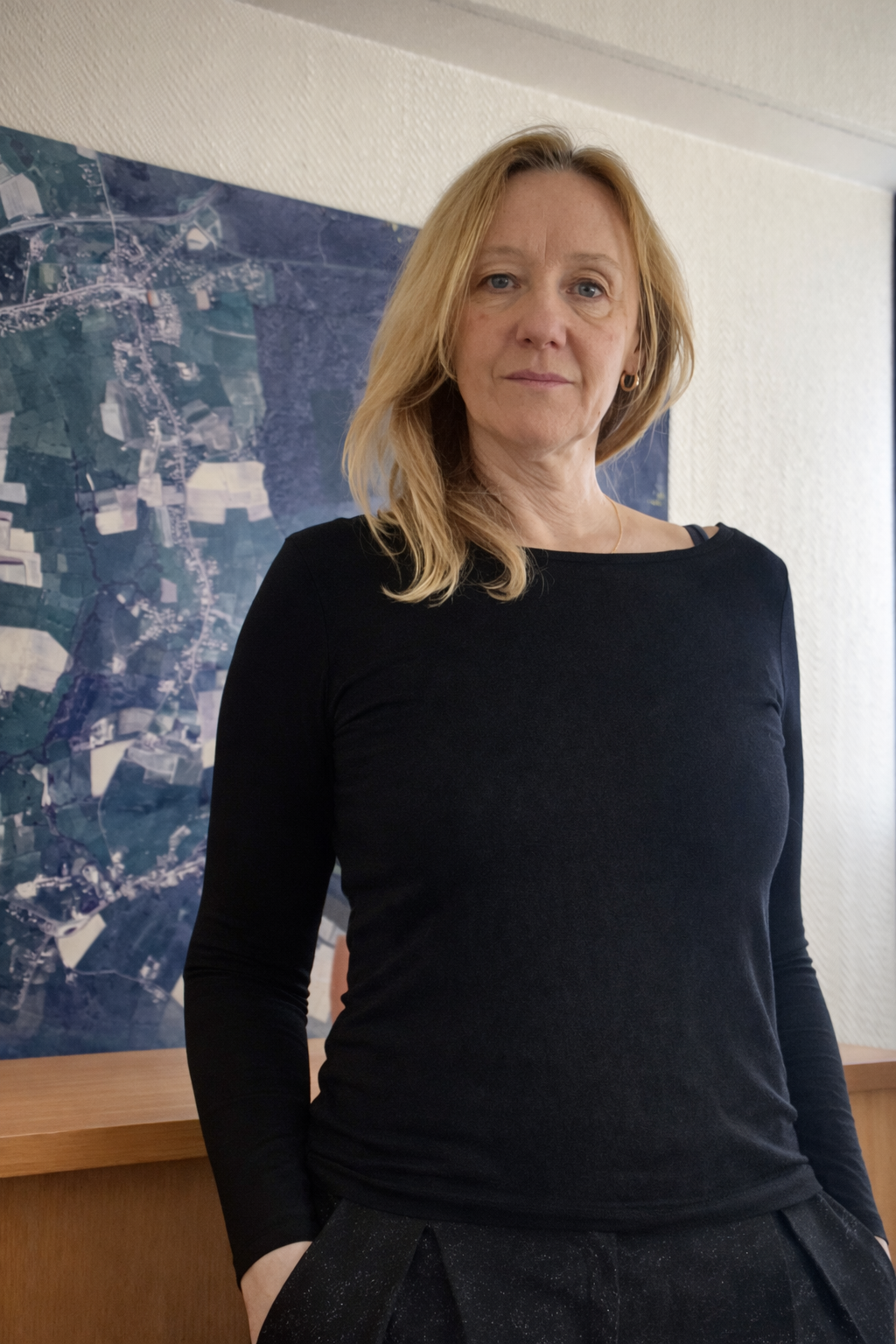
Elisabeth Frot, PhD in hydrology, combines scientific expertise with extensive experience in managing water and aquatic environments. After a career in research and territorial hydraulics, she became director of EPTB SYMSAGEB in 2025, overseeing basin‑scale strategy, team leadership, and coordination of elected officials and field partners. Her work centres on understanding hydrological dynamics, supporting local authorities in risk and water management, and promoting a shared culture of resilience built on science, cooperation, and trust.
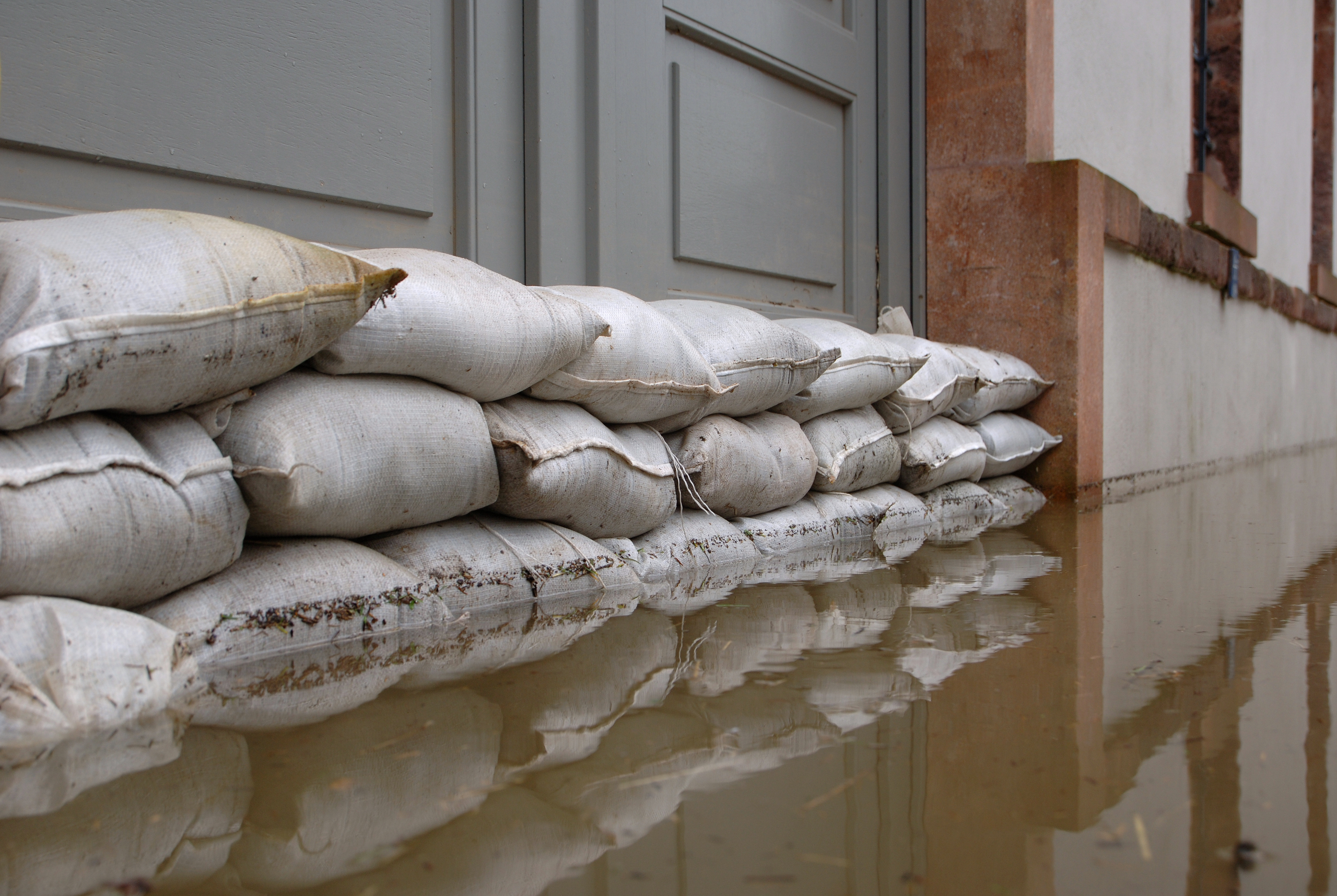
Hydrological and hydraulic processes are not always intuitive for the public. During the floods, actions like pumping or placing sandbags provided a sense of agency, even when they had little technical effect due to rising groundwater or saturated soils. Communicating why certain measures are helpful and others are not requires patience, especially in moments of tension. These events also exceeded the capacity of many existing structures, even those designed for rare rainfall events, which makes it difficult to reassure residents who are seeking immediate solutions.
Despite these challenges, Elisabeth Frot identifies clear successes. Solidarity among stakeholders grew stronger over time, and partnerships proved valuable, particularly with institutions such as the European Center for Flood Risk Prevention and Management (CEPRI). The flood prevention action programme, known as the PAPI, has been a major achievement, bringing together technicians, elected officials, funders and the State around a shared roadmap for resilience. The programme provides a structured foundation for long term planning and for strengthening community preparedness.
Recovery is not just about repairing damage. It means understanding the hydraulic realities of the territory, restoring confidence among communities and building the long-term conditions for a more resilient watershed.
Elisabeth Frot
Director of EPTB SYMSAGEB
Looking ahead, she sees risk awareness as essential for smoother recovery in the future. This includes outreach at public events, educational tools that help people understand how flooding works, and training for elected officials. Improving real time communication during events, formalising operational protocols and strengthening alert systems will also help communities navigate future crises more effectively.
For SYMSAGEB, recovery is successful not simply when life appears to return to normal, but when hydraulic risks are better understood, priority structures are stabilised and confidence is restored across the territory. It is a long process, but one that is advancing through collaboration, shared knowledge and a commitment to building resilience. The experiences of Valencia and Hauts-de-France show that while every flood has its own geography, dynamics and social impacts, many of the underlying challenges are shared. Early transition from crisis to recovery, strong institutional coordination, well designed communication and investment in risk culture are all essential. Exchanging knowledge between regions helps build a collective capacity to anticipate, respond and adapt. As extreme floods become more frequent across Europe, learning from one another will be as important as the physical measures put in place to protect communities.

Lorem ipsum
Lorem ipsum

Drone view of the reconstruction of Rambla del Poyo in Valencia, one year after the floods.
