
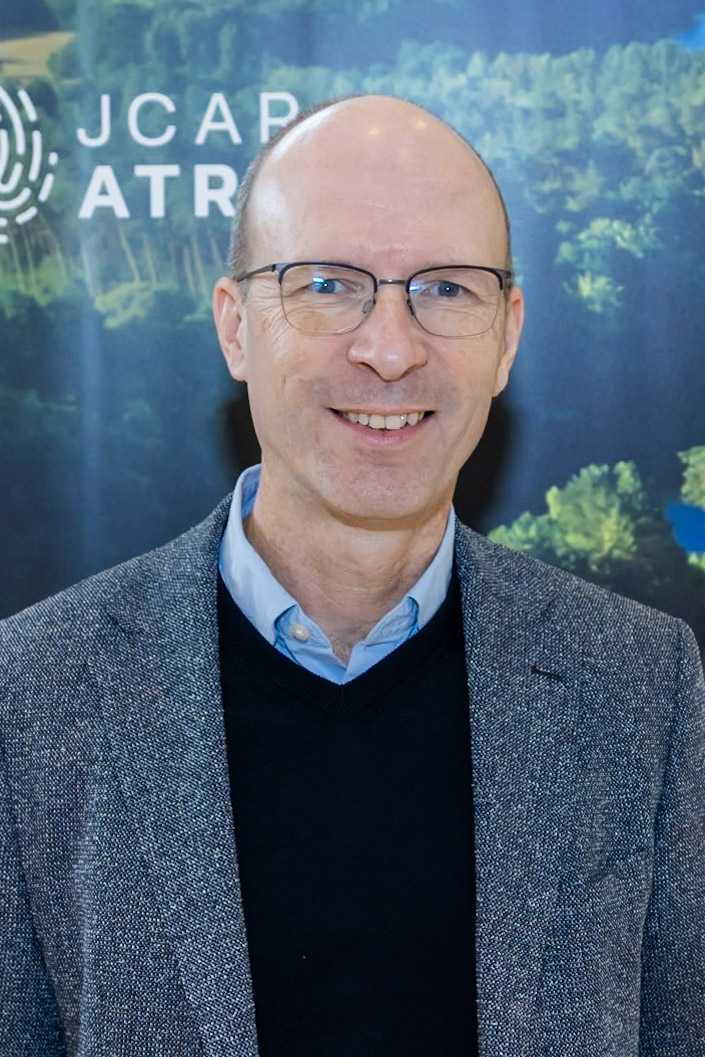
Prof. Dr. Jeroen Aerts
Professor of Water and Climate Risk, Institute for Environmental Studies (IVM) at VU Amsterdam and Chair of the Scientific Council of JCAR ATRACE
Foreword
Building Back Better After Floods
In recent years, Europe has faced increasingly severe flood events that have tested the resilience of communities, infrastructure, and governance systems across borders. The catastrophic floods of July 2021 in western Germany, Belgium, and the Netherlands, followed by the intense 2024 floods in Valencia, Spain, and Hauts-de-France/Westhoek exposed significant gaps in post-disaster recovery processes. These events resulted in substantial loss of life, widespread destruction of homes and businesses, and prolonged disruptions to essential services. Despite the enormous efforts and post disaster investments in these areas, experiences show that the transition to effective, sustainable recovery remains a complex and lengthy process involving multiple stakeholders and regulations.
The JCAR ATRACE programme sets the stage for improved flood recovery in Europe. The aim is to draw lessons from recent devastating events, and to stimulate ongoing collaborative efforts to advance knowledge and practice in this critical domain. This is an urgent matter since practical experience with large-scale recovery, particularly in transboundary contexts, remains limited. Challenges include coordinating multi-level governance, securing adequate funding, addressing psychological and social impacts, and implementing “Build Back Better” principles to enhance long-term resilience. Building Back Better refers to not only restoring what was lost but also to seizing the opportunity to reduce future risks such as
climate change.
The lessons drawn from the 2021 and 2024 floods, combined with forward-looking research efforts like JCAR ATRACE, highlight the need for integrated approaches where scientific research can support the recovery process, while acknowledging future climate risk. Science can support the recovery process by systematically analysing and learning from past disasters and highlight generic practices that work in the real work so they can be upscaled to other areas. Such notion is increasingly recognized within the EU Floods Directive and European water and climate resilience strategies. By bringing together scientific and policy experts from four flood disaster areas, we aim to share our challenges and emerging solutions. With this cooperation, we can support Europe to transform recovery from a reactive process into a strategic opportunity for safer, more sustainable futures.
Next article

Challenges and Opportunities in Flood Recovery
Next article
In this magazine